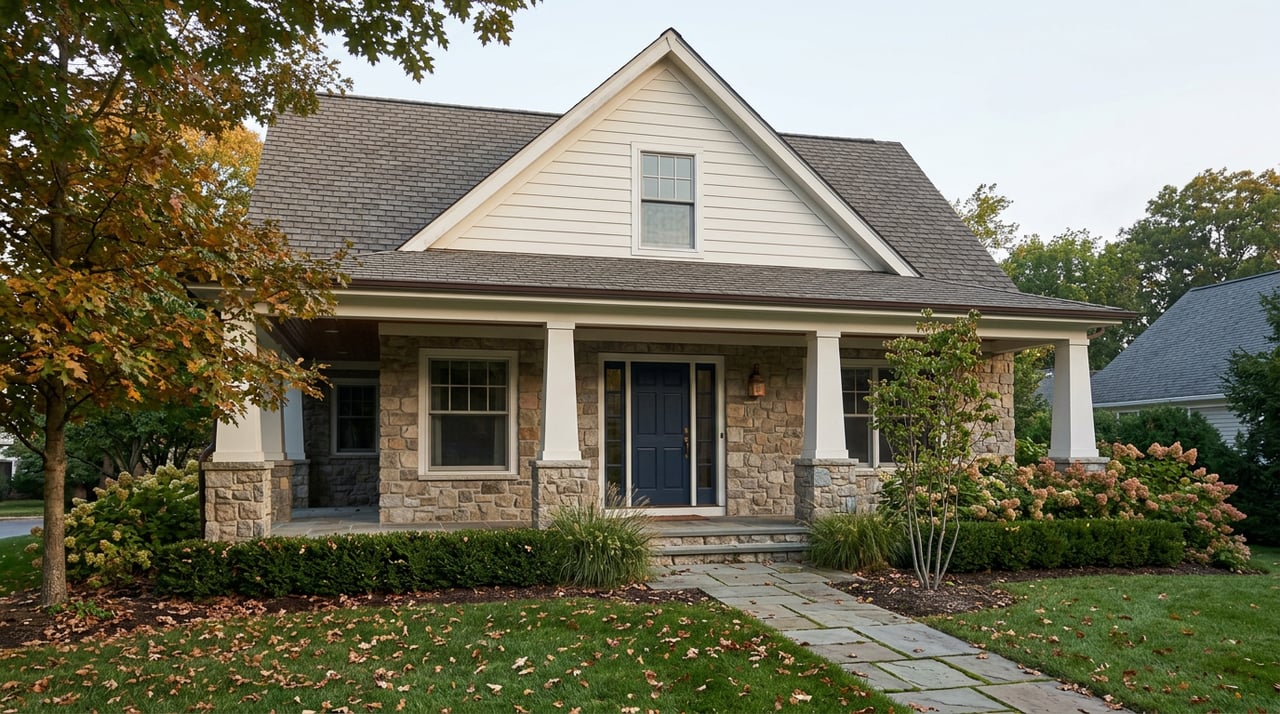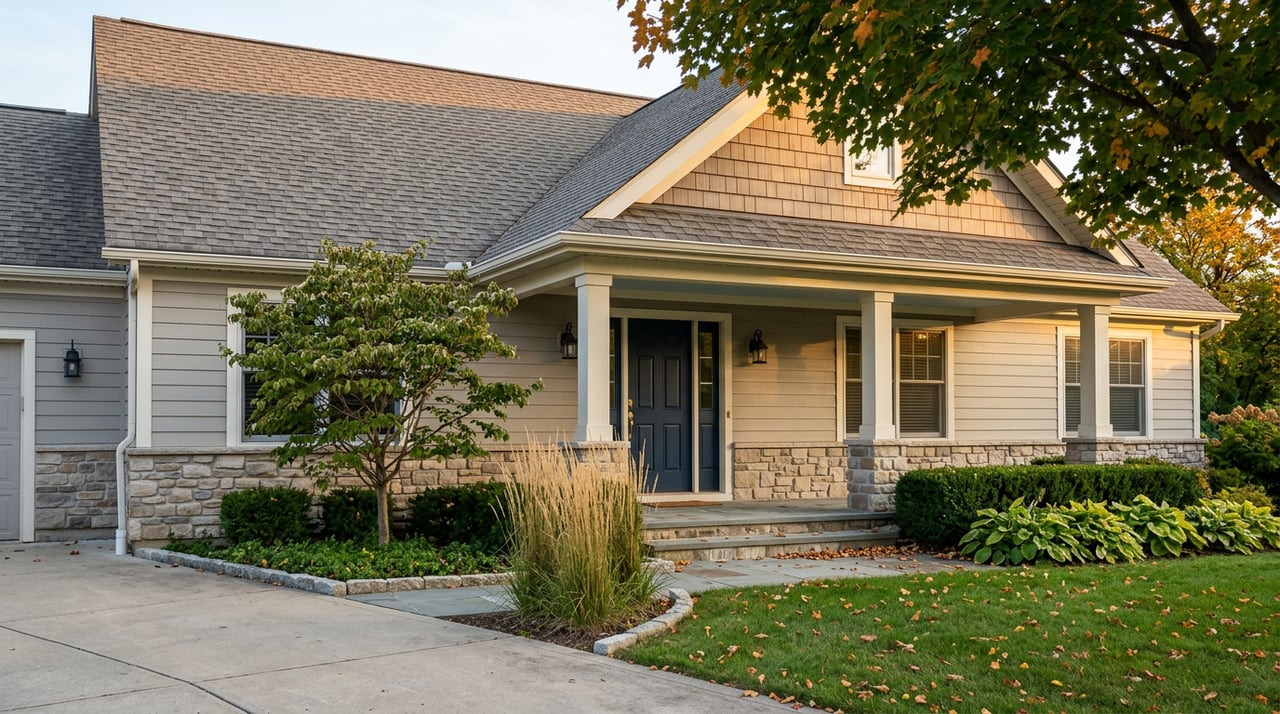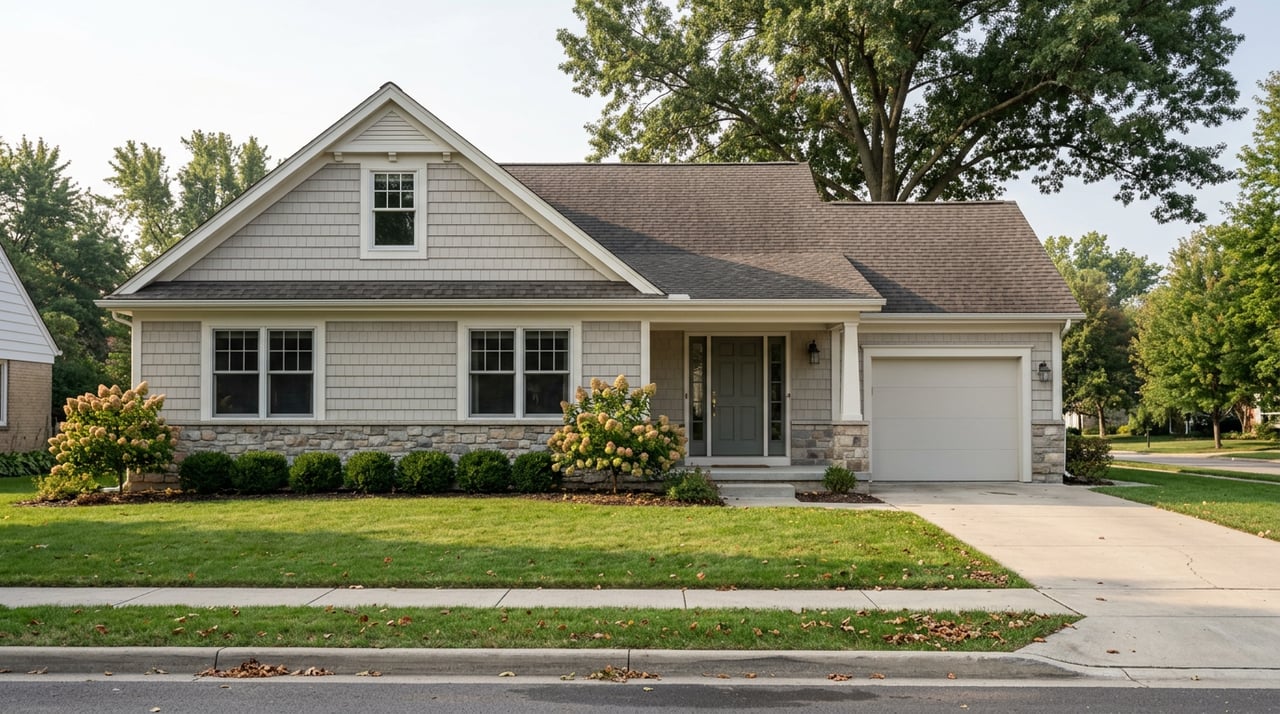
If you price your Allison Park home too high, you may miss the buyers who matter most right when your listing is fresh. If you price it too low, you risk leaving money on the table. The good news is that smart pricing is not guesswork. It is a strategy built around local data, recent comparable sales, and how buyers are responding in today’s market. Let’s dive in.
Why pricing matters in Allison Park
Allison Park is active, but it is not a market where any price will work. According to Redfin’s Allison Park housing market data, the median sale price was $335,000 in February 2026, homes took about 53 days to sell, and the average home sold for about 1% below list price. Redfin also notes that some hot homes can go pending in around 39 days and close near list price.
A separate Realtor.com market snapshot for Allison Park shows a median listing price of $399,900, about 42 days on market, and a 100% sales-to-list-price ratio in March 2026. While those numbers use different methods, both sources point to the same takeaway: pricing close to the market matters.
That is especially important because Allison Park does not track exactly with the broader county. Redfin’s Allegheny County housing data shows lower countywide pricing and longer market times than recent Allison Park snapshots. If you want a strong pricing strategy, you need to think hyperlocally.
Start with the right comparable sales
The best pricing decisions begin with the right comps. The National Association of Realtors consumer pricing guide explains that comparable sales are recently sold similar properties in the same area and are used to build a comparative market analysis, or CMA. That analysis can also include active listings and homes under contract.
Not all comps are equally useful. Fannie Mae’s comparable sales guidance says appraisers generally rely on at least three closed comparable sales, usually from the last 12 months, while explaining any older or more distant sales that are used.
For you as a seller, that means the strongest pricing benchmarks are homes that are close in location, similar in size, style, lot characteristics, and recent enough to reflect current buyer behavior. A county average or an older sale from a different pocket of the market may be interesting, but it should not drive your list price.
What a strong comp set looks like
A useful comp set usually includes homes that are similar to yours in the ways buyers care about most, such as:
- Square footage
- Home style and layout
- Lot size and setting
- Number of bedrooms and baths
- Garage and basement features
- Overall condition and updates
- Recent sale timing
When those details line up, your pricing strategy becomes much more accurate. When they do not, you can end up chasing a number that buyers will not support.
Condition changes the price story
Two homes can look similar on paper and still command different prices. The NAR pricing guide notes that condition, upgrades, renovations, and needed repairs all matter when setting an asking price. It also says concessions, such as helping cover repair costs, can sometimes help attract buyers.
Fannie Mae’s guidance supports that same point by emphasizing how condition affects the sales comparison approach. In simple terms, buyers do not evaluate square footage alone. They also compare how move-in ready your home feels against other options they are seeing.
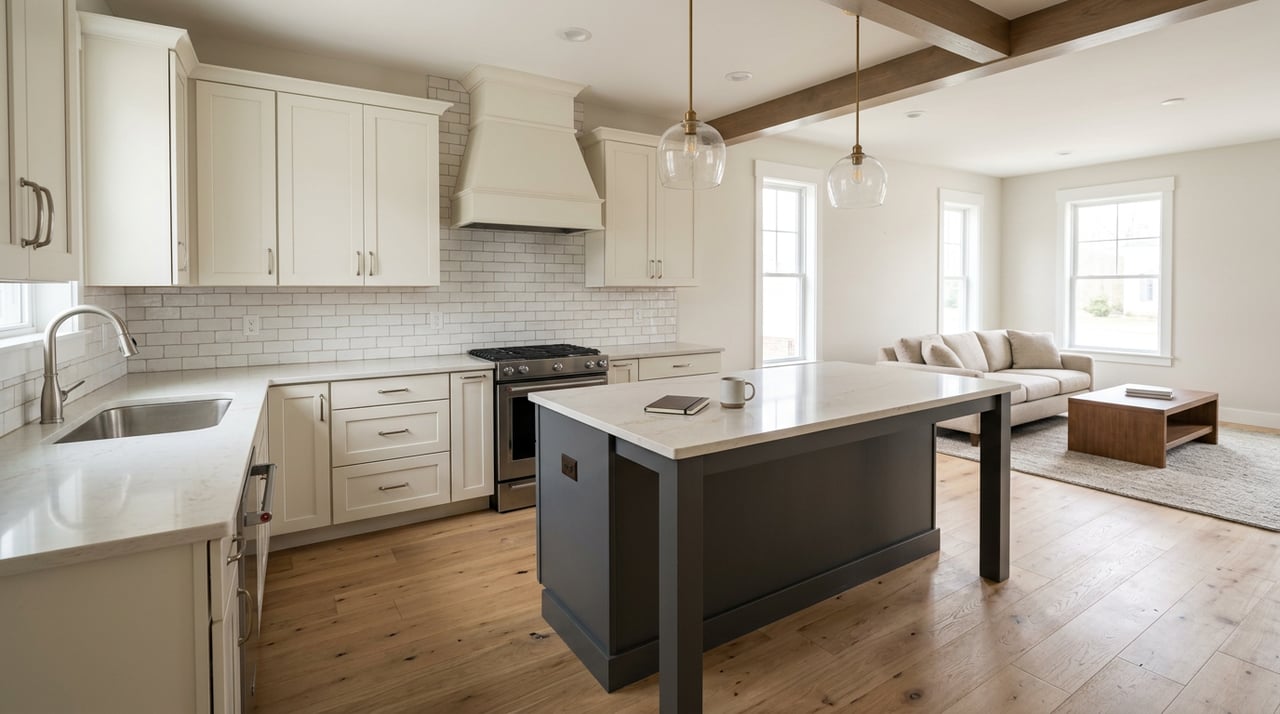
If your kitchen, baths, flooring, paint, or mechanical systems are more updated than nearby sales, that can support a stronger price position. If your home needs repairs or cosmetic work, pricing should reflect that reality from the start.
Updates that often influence buyer perception
While every home is different, buyers often respond strongly to visible improvements such as:
- Fresh neutral paint
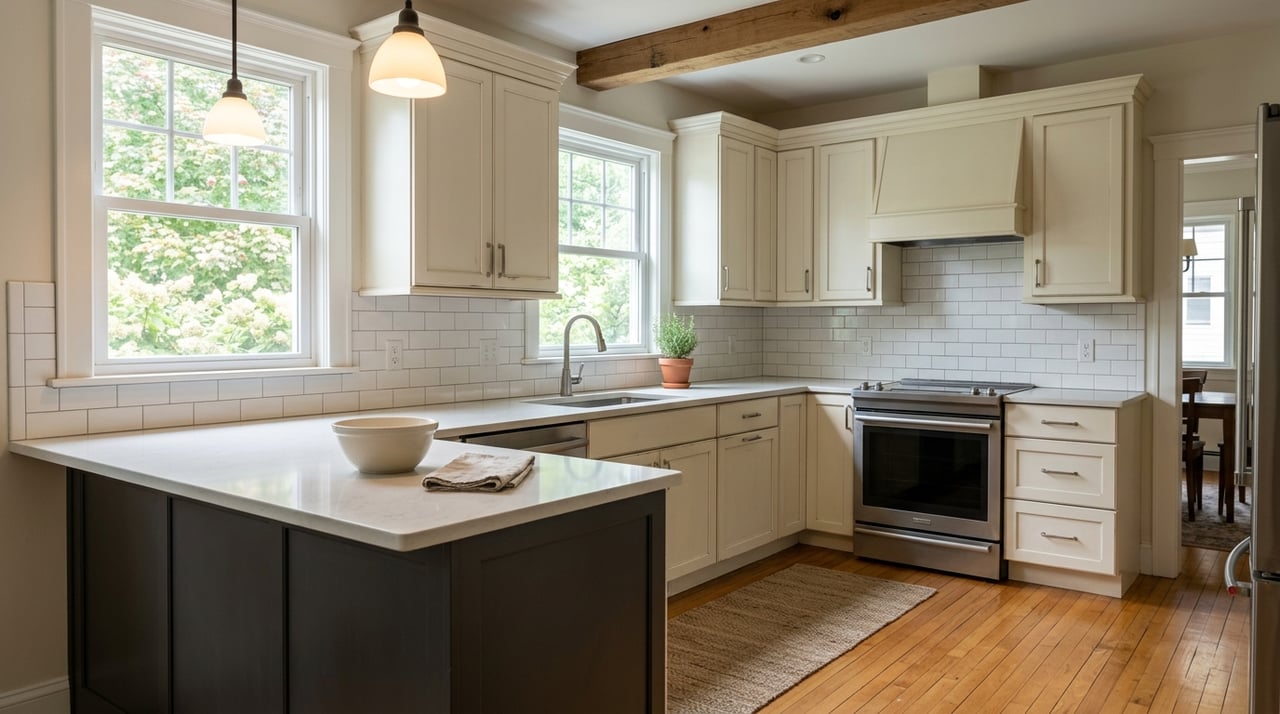
- Updated kitchens and baths
- Well-maintained flooring
- Clean, uncluttered presentation
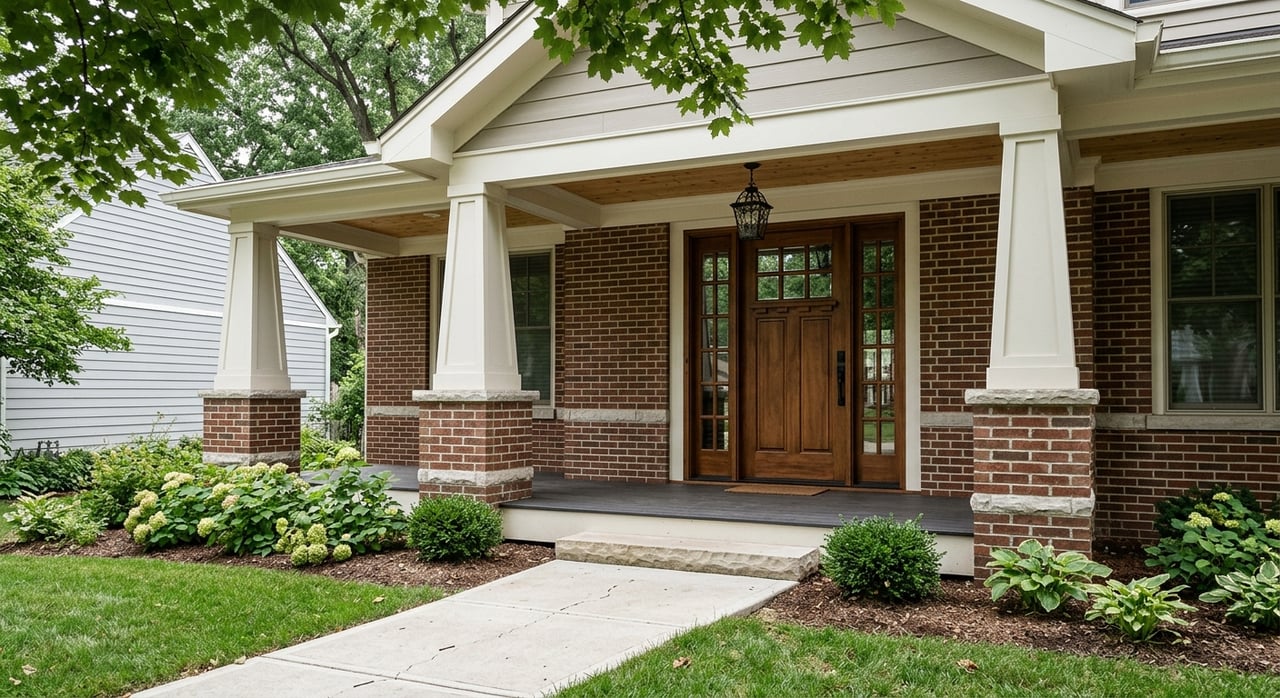
- Strong curb appeal
- Repaired deferred maintenance
This is one reason presentation and pricing work together. A home that shows well can support the pricing strategy more effectively than one that feels unfinished or neglected.
Price affects your first two weeks most
Your first days on the market matter more than many sellers realize. Zillow’s seller guidance on price reductions says showing traffic tends to drop after the first two weeks, and the longer a home sits on the market, the lower the odds of selling for list price.
That means your initial price is not just an MLS detail. It shapes how many buyers schedule showings, how many of those buyers see value, and whether you create momentum early.
In Allison Park, that early momentum can make a real difference. Redfin’s local market page shows that some homes still receive multiple offers and that hot homes can move pending in about 39 days. Well-priced homes can create leverage. Overpriced homes often lose it.
What happens when a home is overpriced
When the list price is too aggressive, buyers may do one of three things:
- Skip the home entirely
- Tour it but hold back on offers
- Wait for a price reduction before acting
Once that happens, you can lose the urgency that helps sellers negotiate from strength. Even a beautiful home can feel stale if it lingers beyond what buyers see as normal for the area.
Read the market, not just the headline
One challenge in Allison Park is that recent data can look mixed at first glance. Redfin shows a slight year-over-year dip in median sale price, while Realtor.com shows year-over-year growth in median listing price. That does not mean the data is wrong. It means different platforms measure different things.
For sellers, the practical lesson is simple: this is an active market, but not a forgiving one. Buyers may still compete for the right home, but they are paying attention to value, days on market, and how your home compares with current alternatives.
That is why broad market headlines are less useful than a focused local strategy. Your price should reflect what buyers are actually choosing in Allison Park right now, not what happened in a different township or across the county.
Know when to adjust price
Sometimes even a thoughtful launch needs a correction. Zillow advises that if comparable listings are lower, offers are not coming in, or the home has sat beyond the local norm, a reduction may be warranted. Zillow also recommends one meaningful price cut instead of several smaller cuts.
This matters because repeated small reductions can make buyers wonder what is wrong with the property. A clearer, more decisive adjustment can help your listing re-enter the market conversation and attract fresh interest.
Signs your current price may need attention
You may need to revisit pricing if:
- Showings are very low compared with similar listings
- Buyers are touring but not making offers
- Feedback consistently mentions price
- New competing listings look more attractive at similar numbers
- Your home has been on the market longer than comparable local homes
Price changes should be based on market response, not frustration. A calm review of the data usually leads to a better next step.
Use strategy, not a formal valuation mindset
It helps to think of list price as a market strategy, not a formal appraisal. The Consumer Financial Protection Bureau explains that appraisals and other value estimates are generally used by mortgage lenders in lending decisions. By contrast, NAR explains that the asking price is something you decide with your agent based on comps, condition, market conditions, and your timeline.
That distinction matters. A strong list price is designed to position your home for the market you are entering now. It is part analytics, part positioning, and part negotiation strategy.
If your goal is to sell with less stress and stronger leverage, your pricing plan should account for more than a single number. It should reflect how your home shows, how buyers are behaving, and how quickly you want to move.
A smart pricing plan for your sale
A practical pricing strategy in Allison Park usually includes these steps:
- Review the most relevant recent sold comps.
- Compare your home’s condition and updates to those sales.
- Study active and pending competition.
- Factor in current days on market and buyer pace.
- Choose a list price that matches your goals and market reality.
- Monitor showing activity and feedback quickly after launch.
- Adjust decisively if the market response does not support the strategy.
This is where local guidance can make a big difference. A careful pricing conversation, paired with professional presentation and strong marketing, can help you avoid costly missteps early in the process.
If you are thinking about selling in Allison Park, Shelley Wood can help you build a pricing strategy grounded in local comps, current market conditions, and a clear plan for presentation, marketing, and negotiation.
FAQs
What is the best way to price a home in Allison Park?
- The best approach is to use recent comparable sales, your home’s condition and updates, current competing listings, and local market timing to set a price that aligns with how buyers are acting right now.
How long do homes take to sell in Allison Park?
- Recent market snapshots show homes taking about 42 to 53 days on market on average, with some well-priced homes moving faster.
Should Allison Park sellers use Allegheny County averages to price a home?
- County data can provide context, but your list price should be based mainly on hyperlocal Allison Park comps because local pricing and market pace can differ from countywide averages.
Do home updates really affect pricing for Allison Park sellers?
- Yes. Condition, renovations, needed repairs, and overall presentation can influence how buyers compare your home to similar listings and recent sales.
When should Allison Park home sellers reduce the price?
- If showings are slow, buyers are not making offers, feedback points to price, or your home has been on the market longer than similar local listings, it may be time to consider a meaningful adjustment.
Is a list price the same as an appraisal for an Allison Park home?
- No. A list price is a selling strategy you set with your agent based on comps, condition, market conditions, and your goals, while an appraisal is typically used by a lender during the financing process.