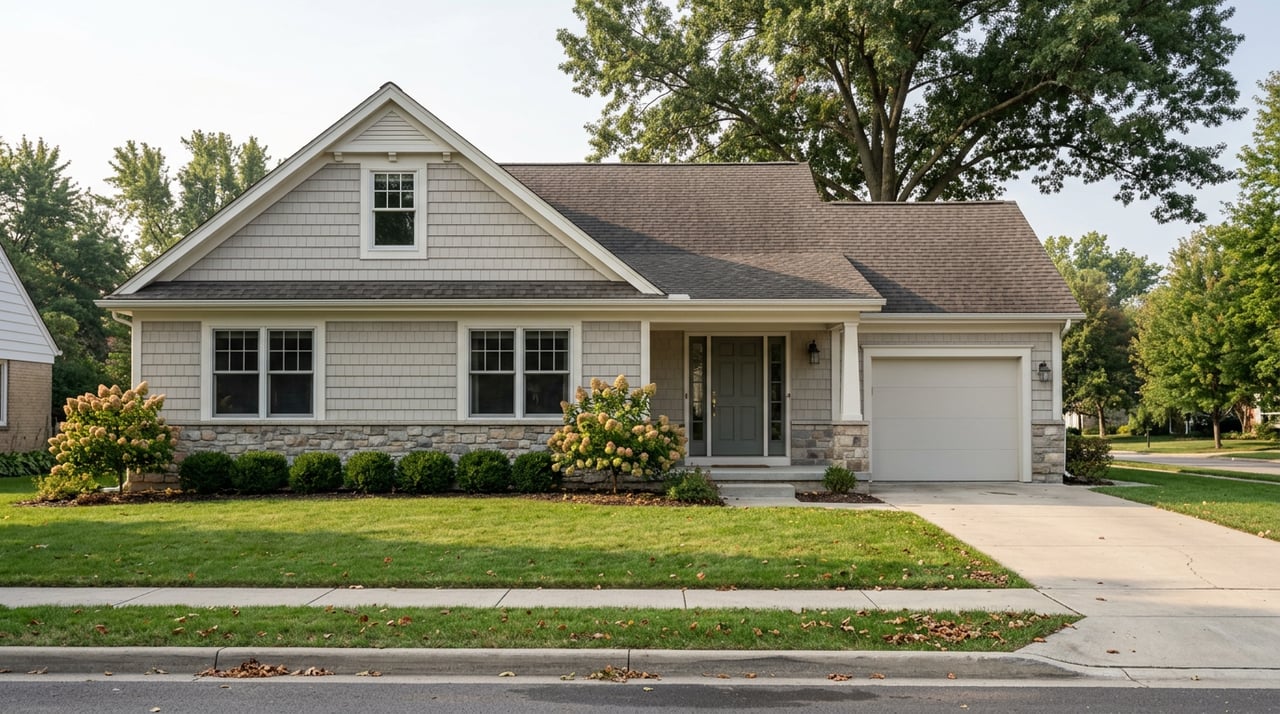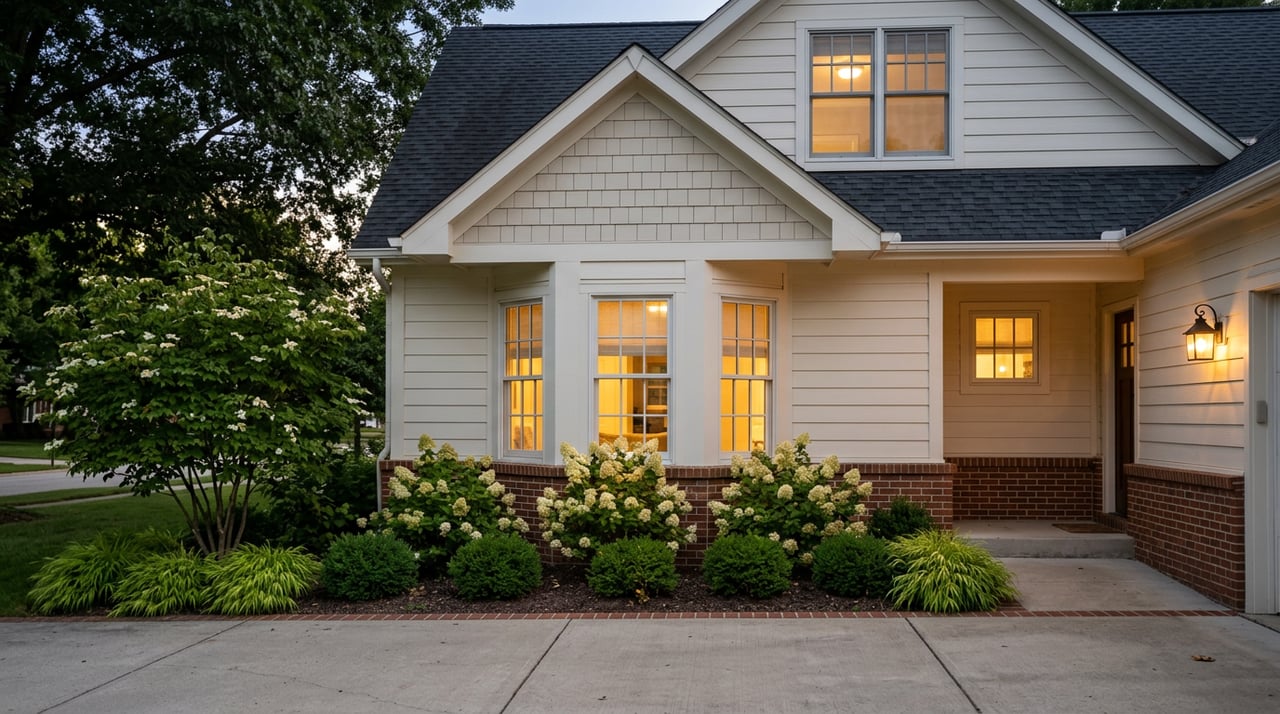
A listing goes up in Richland Township on a Tuesday. By the following week it has an accepted offer. That is not an exaggeration for effect. As of August 2026, homes in Gibsonia are spending a median of 28 days on the market before selling, and earlier in the spring, Zillow's tracking showed listings moving to pending in around 9 days. Richland's sewer authority processes certification requests on a timeline separate from the real estate transaction.
The difference between offer timing and paperwork timing can create a scheduling challenge for sellers. One source of that challenge is a Richland Township ordinance that most homeowners have never heard of and that has nothing to do with a home inspector's punch list.
Planning for a Sanitary Sewer Certification
Richland Township's code requires that anyone selling or mortgaging real estate within the township provide a Sanitary Sewer Certification to both the buyer and designated township officials before the transfer closes. If a certification was already issued for that property within the past three years, a new one is not required. If it was not, the seller has to request one, and the township's process can include a check for illegal stormwater, downspout, or surface-drainage connections tied into the sanitary sewer line, plus a municipal lien and property tax verification letter. None of that happens instantly, and none of it is optional. A seller who ignores it is not skipping a formality. Under the township code, doing so is a summary offense, punishable by a fine of up to $1,000 plus costs, with the possibility of jail time if the fine goes unpaid.
Sewer paperwork is one part of preparing a property for sale, but if a buyer's mortgage closing is already scheduled and the certification request has not even been filed, it can become the thing standing between an accepted offer and a signed deed. In a market where the average listing goes to pending inside two weeks, that is a real timing risk, not a hypothetical one.
Gibsonia Is Not One Set of Rules
Part of the confusion is that "Gibsonia" is a mailing address, not a municipality. It spans Richland Township along with portions of neighboring townships, and Pennsylvania does not regulate sewage from a single state office. Under the state's Sewage Facilities Act, Act 537 of 1966, each of the roughly 2,500 municipalities in Pennsylvania runs its own on-lot sewage program through a locally appointed Sewage Enforcement Officer, or SEO. Richland's sanitary sewer certification requirement applies to Richland. A property a few streets over in a different township answers to a different local office, possibly with no certification requirement at all, or a different one entirely.
That matters because a large share of homes that carry a Gibsonia address are not on public sewer in the first place. Richland Township's own site confirms that properties without access to the municipal system rely on private on-lot septic. A local septic contractor working the area points to Gibsonia's large lots, wooded terrain, and the clay-heavy soils common across the Pine Township portion of the community as reasons why standard systems often need engineered adjustments rather than off-the-shelf installations. That is not a detail you find in a state regulation. It is the kind of thing you only know from working septic calls in this specific pocket of the North Hills.
What a Septic Home Adds to the Timeline
Pennsylvania has no statewide law forcing a septic inspection before a home sells, but that does not mean a Gibsonia septic seller is off the hook. Lenders, title companies, and local municipal offices frequently require one anyway, and most buyers' agents build a septic contingency into the offer regardless of whether the township mandates it. A thorough point-of-sale inspection, the kind required for a real estate transaction, typically runs $400 to $800, and it is not a same-day service. The inspector has to locate the tank, which on older systems installed before risers became standard can mean probing the yard, pump it completely, check the baffles and structural integrity, and evaluate the drain field. If the home has been sitting vacant, the inspector may also run a hydraulic load test, flushing water through the system to confirm the drain field still performs under normal use.
Skipping the pump-out to save time is one of the most common causes of drain-field failure across Gibsonia and the surrounding area, according to a local septic service that works the ZIP code regularly. A failed drain field is not a repair you absorb quietly. It is a renegotiation, or worse, a deal that falls apart in escrow because the fix costs more than either side budgeted for.
There is one more wrinkle specific to western Pennsylvania. Methane from natural gas drilling can affect groundwater in some parts of the region, which complicates both well water safety and where a septic system can be sited. If a property sits near active drilling, the local SEO may require extra setbacks or testing before signing off on anything. It is not a universal issue across every Gibsonia lot, but it is a documented regional factor that a seller with a well and septic system should ask about before assuming a routine inspection will clear without a hitch.
Reading the Market Numbers Correctly
None of this changes because the market is competitive. If anything, it raises the stakes. Gibsonia's median list price moved from roughly $490,000 in May 2026 to $500,000 by August 2026, and current 2026 supply data puts the area at about two months of inventory, well below what most agents consider a balanced five-month market. Homes have also been selling close to asking price, and a notable share of active listings have already dropped their price at least once, a sign that pricing precision matters even in a market moving this fast.
Here is what that combination means in practice for a Gibsonia seller with a well, septic system, or an overdue sanitary sewer certification: tight supply and quick pendings do not buy you slack on paperwork. They shorten it. A buyer with financing lined up and a lender expecting a clean closing date is not going to wait patiently while a septic evaluation gets scheduled three weeks out or a township certification sits in a queue. The faster the market moves, the earlier these steps need to start, not later.
| What buyers assume | What the timeline actually requires |
|---|---|
| A quick pending means a quick close | Certification and inspection requests still run on the township's or contractor's schedule |
| Septic inspections are optional in PA | Many lenders and local offices require one anyway, and most agents write it into the offer |
| One set of rules covers "Gibsonia" | Requirements shift by township, since sewage regulation in PA is handled locally, not statewide |
Before You List
A seller with a Gibsonia property, whether on public sewer or a private system, is better served by sorting out three things before the sign goes in the yard rather than after an offer arrives:
- Confirm whether the property is served by public sewer or on-lot septic, and which township's rules apply.
- If on public sewer in Richland Township, check whether a sanitary sewer certification is already on file from within the last three years. If not, start that request immediately.
- If on septic, schedule a pump-out and inspection early, and ask directly whether the property sits near active gas drilling that could trigger additional SEO requirements.
None of this is complicated once it is identified. The risk is only in discovering it after a buyer is already counting down to a closing date.
Frequently Asked Questions
Does every home in Gibsonia need a septic inspection before selling? Pennsylvania does not require it statewide, but many lenders, title companies, and local municipal offices do in practice, and most purchase agreements include a septic contingency regardless.
How do I find out if my Gibsonia property already has a sanitary sewer certification on file? Richland Township's ordinance treats a certification issued within the past three years as valid, so a property sold or refinanced recently may not need a new one. Confirming this starts with a records request to the township itself.
What if my property is on well water instead of public water? According to Septic Tank Hub, Pennsylvania sets a minimum 100-foot setback between a private well and any septic absorption area or treatment tank, and local municipalities can require more. A well water test is a separate step from a septic inspection and worth confirming is included in the inspection period of the agreement of sale.
If you are getting ready to list a home in Gibsonia, or you are under contract and want a second set of eyes on the paperwork before it becomes a closing problem, Shelley Wood has spent years working through exactly this kind of township-by-township detail across the North Hills. Request your complimentary market consultation and get a straight answer on what your specific property needs before it goes on the market.
This article is general information, not legal, tax or financial advice. Consult a qualified professional about your situation.