You pull into the lot off Pearce Mill Road with the leash already looped around your wrist, and the gate is roped shut. No sign explaining why, no attendant to ask. You drive the extra mile to the second entrance and it's wide open, full of the usual Tuesday-morning regulars. The two entrances can take a little sorting out on a first visit.
North Park has two off-leash dog areas about a mile apart, and they don't run at the same time on purpose. One closes while the other stays open, then they swap, so the grass under thousands of paws every week gets a chance to recover before it turns to dirt. Nobody posts the schedule anywhere visible. You just learn it, the way you learn which grocery store lane moves faster or which light on Route 8 actually gives you time to make the turn.
Two Gates, One Rule
That rotation is not a quirk. It is the operating logic for the whole park, and once you notice it you start seeing it everywhere else too.
North Park covers just over 3,000 acres, with one source putting the figure at 3,089, making it the largest park Allegheny County runs; it also has longer hours than smaller county parks. Under county ordinance, North Park and South Park keep sunrise-to-midnight hours, longer than every other county park, which closes at sundown.
The boathouse and lake loop are only part of North Park.
What the Weekend Crowd Sees
The postcard version starts at the boathouse, built in 1934 and still the anchor for anyone who wants to get on the water. Venture Outdoors runs kayak, canoe, rowboat, and paddleboard rentals out of it through the warm season, typically May into fall, and the lake itself only allows non-motorized craft under 16 feet, which is exactly why it stays quiet enough to paddle a conversation instead of shouting over an engine. A narrow channel connects to Pine Creek, letting paddlers slip into a stiller section away from the main basin, and people who linger past the first bend near the boathouse routinely spot beavers, herons, and deer along the bank, especially at dawn or dusk when the lake empties out.
OTB at the Boathouse sits right there and has become the default answer to "where should we eat after," pulling hundreds of reviews for its burgers, brunch, and happy hour, casual enough for a family coming off the water in wet shoes.
Walk the paved Lake Trail instead and the wildlife only gets better documented the farther you go. In winter, bald eagles perch on the small island near the dam, an area that also draws double-crested cormorants in spring. Cross the dam itself and the newer North Park Meadow opens up on the left, with an observation mound at its center that gives a full view of the water. Beavers keep active lodges along Ingomar Road, close enough to the path that a slow walker or a patient parent with a stroller has a real shot at seeing one working on a tree.
All of this is worth doing, and North Park offers plenty more beyond its most familiar stops.
Beyond the Lake and Boathouse
Past the golf course, Latodami Nature Center and several roadside landmarks offer another way to explore the park.
Start with Latodami Nature Center, roughly 420 acres of fields, forests, ponds, and stream habitat according to the county's own listing. The centerpiece is the Nature Barn, built around 1914 and long since repainted by local Scout troops with murals depicting each of Pennsylvania's four seasons. Trail posts along the property carry QR codes visitors can scan on their phones to identify the plants and animals they're standing next to, a low-tech fix that turns a walk into a self-guided lesson without anyone having to book a ranger.
A short drive from Latodami sits a cluster of landmarks that don't show up on any official park map but that every longtime resident eventually takes a visiting relative to see:
- Gravity Hill, at the intersection of Kummer Road and McKinney Road near the golf course and Marshall Lake. Put your car in neutral at the stop sign and it appears to roll backward uphill, an optical illusion caused by the way the two roads' slopes compare when the horizon is blocked by trees.
- The Fountain of Youth, a springhouse along Kummer Road built in 1938 as a Depression-era WPA project, shaped like a small Roman bathhouse over a natural spring. The spring ran for about twenty years before it became contaminated and the county removed the handle.
- The old water tower, built in 1937 and standing 101.6 feet tall, with an observation deck that was briefly renovated in 2010 for the film "I Am Number Four" and has been closed to the public since the 1970s otherwise.
None of these require a fee, a reservation, or a season. They just require knowing where Kummer Road is, which is the whole point.
Even the Race Route Knows the Difference
If you want proof that this split between the front and back of the park is baked into how the community itself treats North Park, look at the race calendar. The North Park Half Marathon, run every January starting and finishing at the boathouse, sends runners around two full lake loops plus an out-and-back stretch, and the official race materials tell finishers to stick around afterward specifically to check out Gravity Hill and the Fountain of Youth. The organizers didn't need to explain what those are. They assumed everyone running already knew, or would find out fast from someone standing next to them at the finish line.
That is the real shape of North Park. It is not one park with a lot of amenities. It is two parks stacked on top of each other: familiar weekend stops and quieter destinations along the back roads. The rotation on the dog runs is the clearest version of the pattern, but it shows up in the boathouse's shifting seasonal hours, in the sunrise-to-midnight rule that North Park shares with South Park, and in a set of roadside landmarks that never made it onto a welcome sign because they didn't need to.
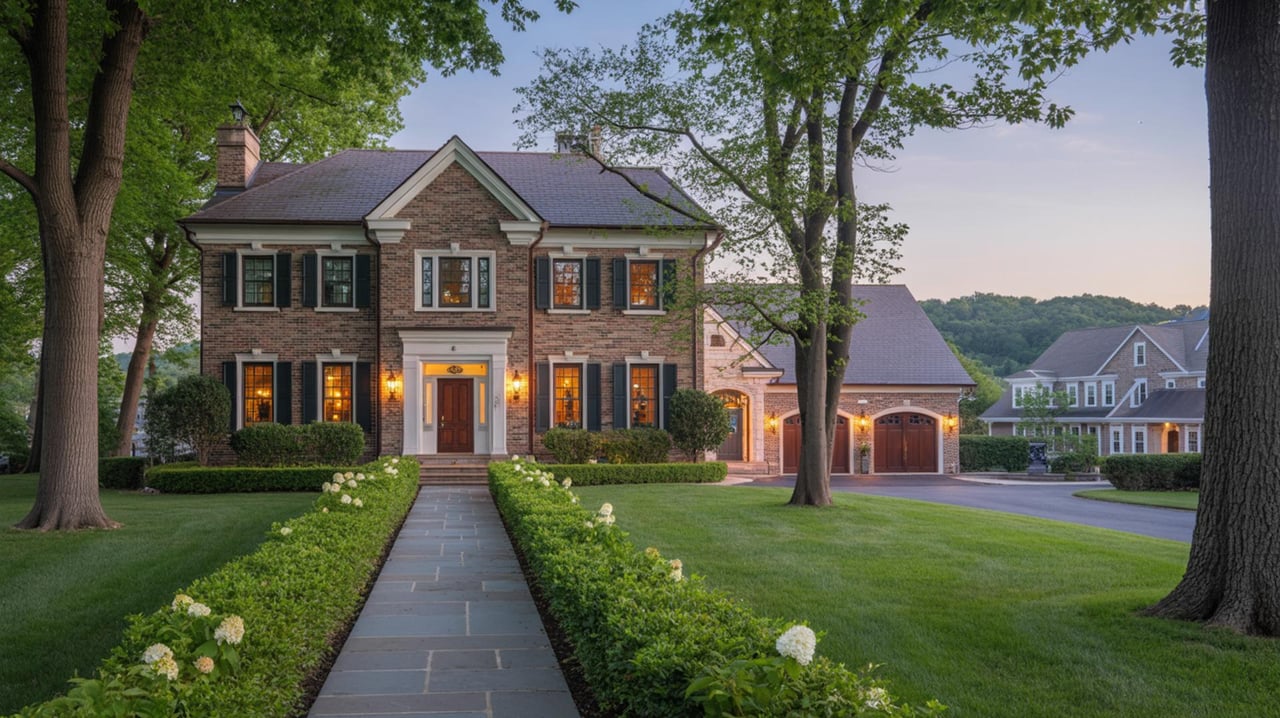
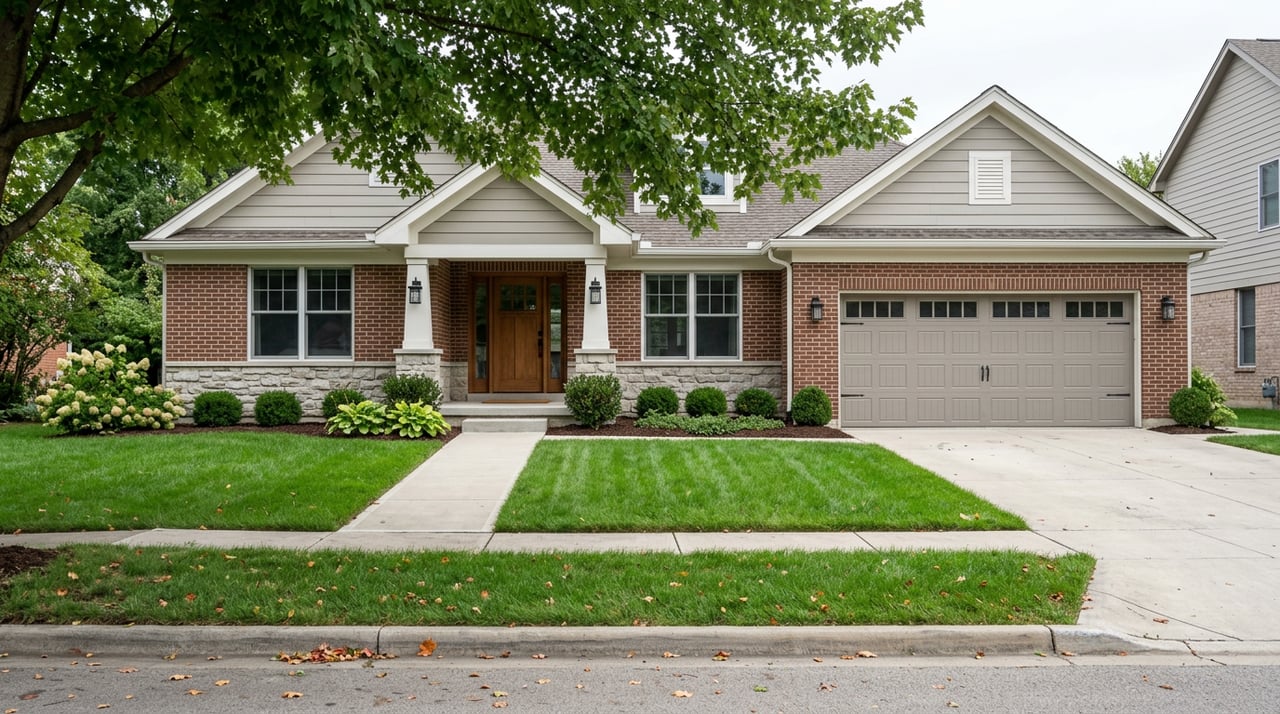
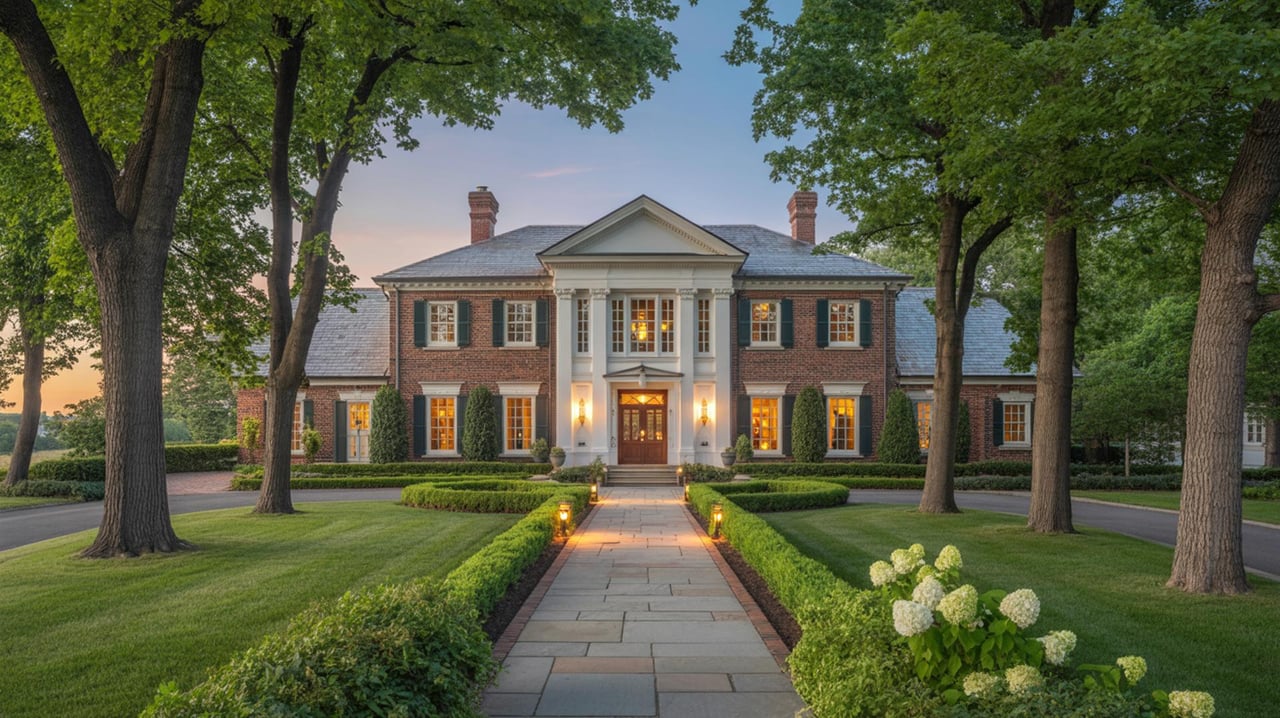
Living a five-minute drive from all of it changes how you use a Tuesday evening. It is one of the quieter advantages of being in Allison Park that never shows up in a listing description, and it is exactly the kind of local detail that turns a house into a neighborhood.
If you are already treating North Park as your backyard and start wondering what that proximity is actually worth on paper, that is a conversation Shelley Wood has with North Hills families all the time. Request your complimentary market consultation whenever you are ready to talk specifics.